
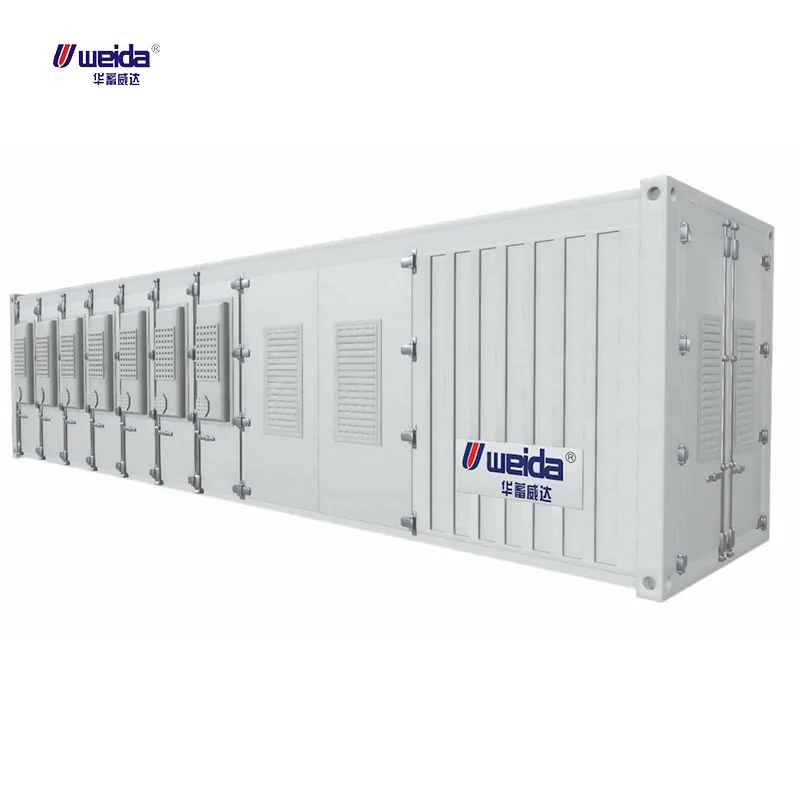
Application guide
Commercial & Industrial Energy Management
C&I battery storage should be sized from interval load data and a defined operating objective, not from facility area or monthly consumption alone.
Plan this application →Response target: within 12 hours for project inquiries
Applications
Explore commercial, residential, renewable, backup, microgrid, and off-grid applications—then compare the product platforms suited to each operating objective.
Application library
Each guide explains the input data, design priorities, interfaces, and product starting points needed for a useful technical discussion.
C&I battery storage should be sized from interval load data and a defined operating objective, not from facility area or monthly consumption alone.
Plan this application →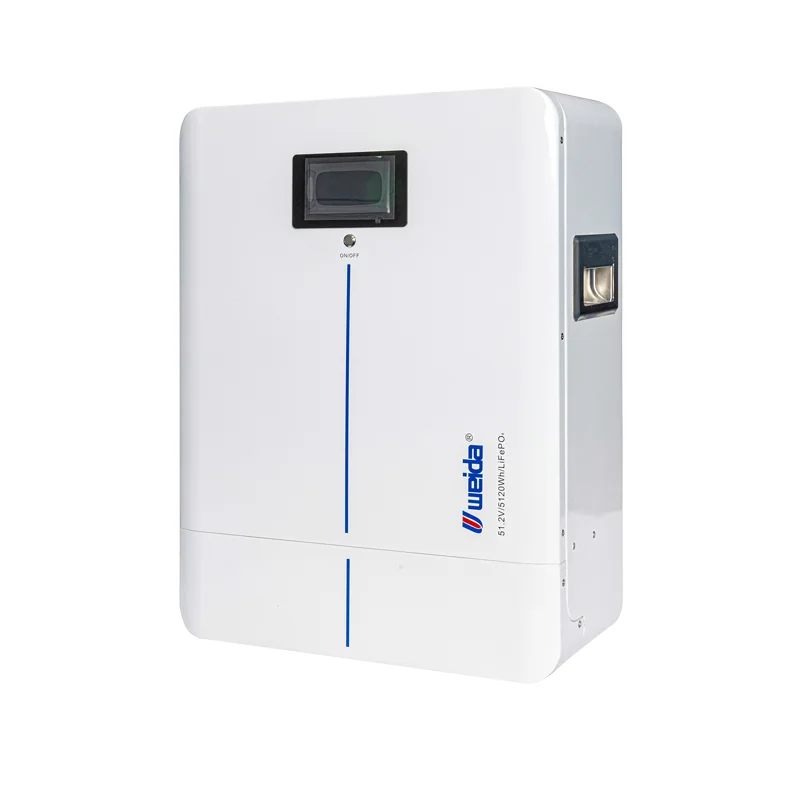
A home battery should be designed around measured loads, solar production, critical circuits, desired outage duration, and inverter compatibility.
Plan this application →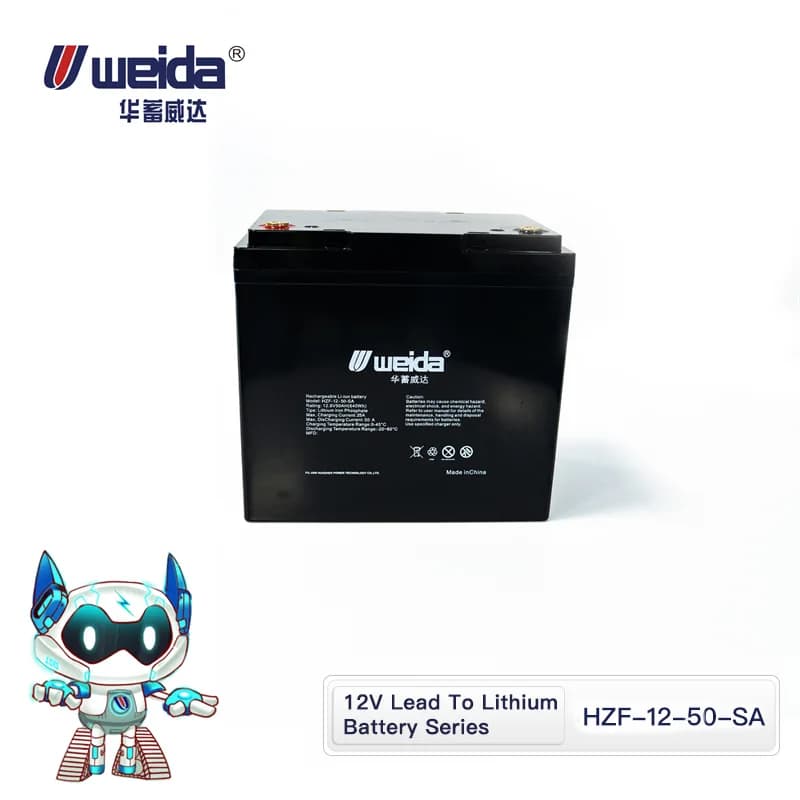
Battery storage can shift renewable energy only when the generation profile, load, curtailment, connection limit, and dispatch objective are modeled together.
Plan this application →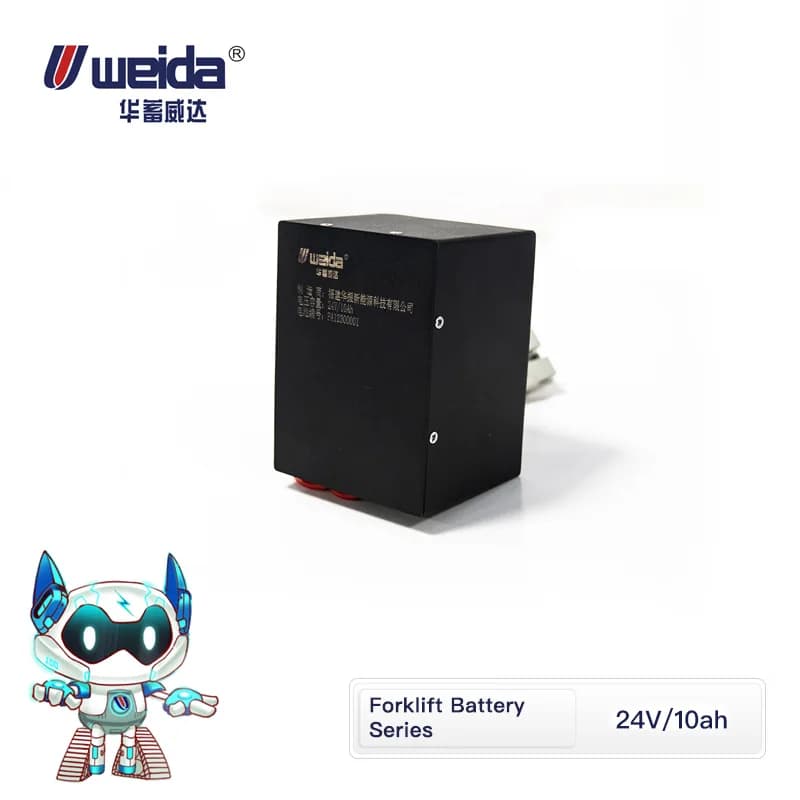
Standby battery banks should be sized from the protected load, required autonomy, DC bus, discharge rate, charger, temperature, redundancy, and end-of-life criteria.
Plan this application →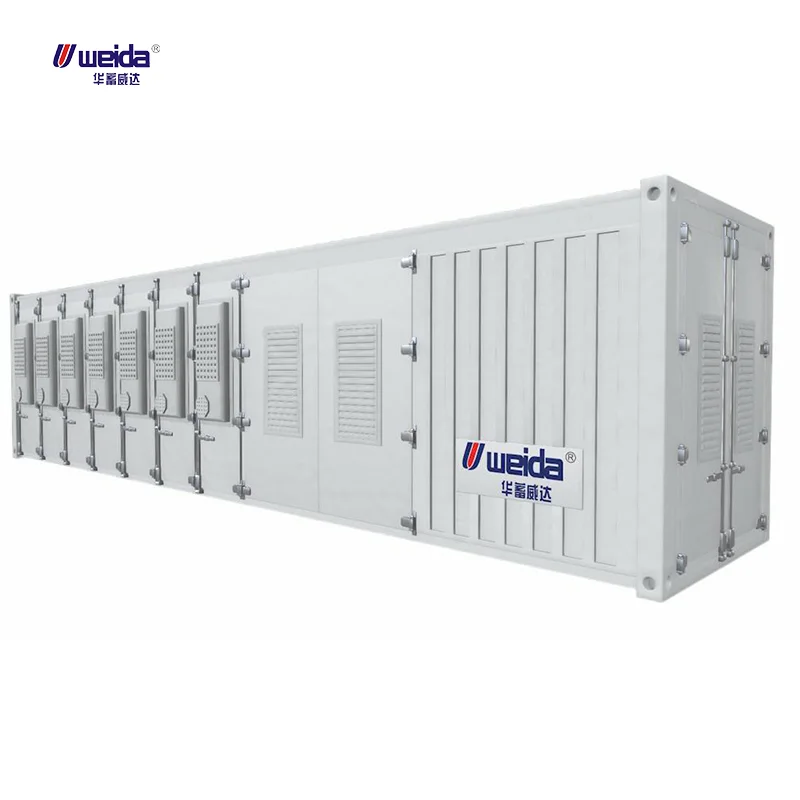
An EV charging microgrid should coordinate charging demand, grid capacity, solar production, battery dispatch, tariffs, user dwell time, and site operations.
Plan this application →Off-grid systems must balance seasonal loads and renewable generation, battery autonomy, generator backup, inverter limits, and an explicit energy-management strategy.
Plan this application →Attach the application context to an inquiry so a reviewer can compare the right product architecture and identify missing inputs.