
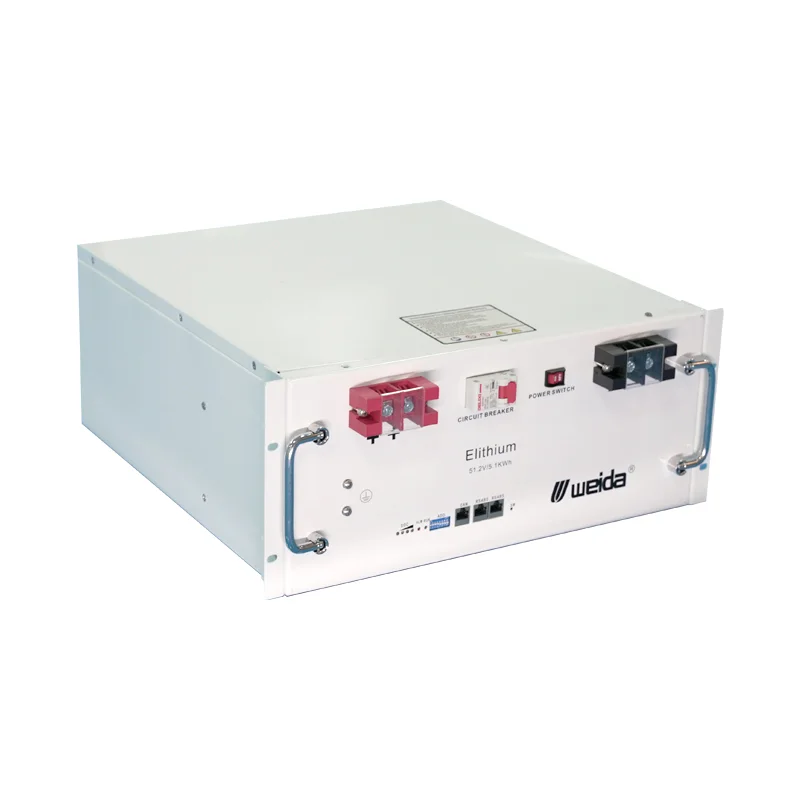
51.2 V Rack Module
A rack-mounted 51.2 V, 100 Ah battery module with 5.12 kWh nominal energy for compatible solar and backup architectures.
- Nominal voltage
- 51.2 V
- Nominal capacity
- 100 Ah
- Nominal energy
- 5.12 kWh
Response target: within 12 hours for project inquiries
Application / Hybrid power
Off-grid systems must balance seasonal loads and renewable generation, battery autonomy, generator backup, inverter limits, and an explicit energy-management strategy.
Off-grid systems must balance seasonal loads and renewable generation, battery autonomy, generator backup, inverter limits, and an explicit energy-management strategy.
Without a strong grid, design errors show up as loss of service, excessive generator runtime, incomplete charging, or accelerated battery stress. Average daily energy hides peak power, seasonal resource changes, consecutive low-generation days, and essential-load priorities.
Model hourly or representative load and renewable profiles, define service-level and autonomy targets, then coordinate PV, battery, inverter, generator, charge controls, load shedding, protection, monitoring, spares, and local service capability.
A useful technical brief describes the operating problem before naming a product. Follow the steps below so the proposal can be sized against real loads, constraints, and operating priorities.
Product starting points
Use published ratings to create a shortlist, then confirm the final configuration against the project data and site conditions.
A rack-mounted 51.2 V, 100 Ah battery module with 5.12 kWh nominal energy for compatible solar and backup architectures.
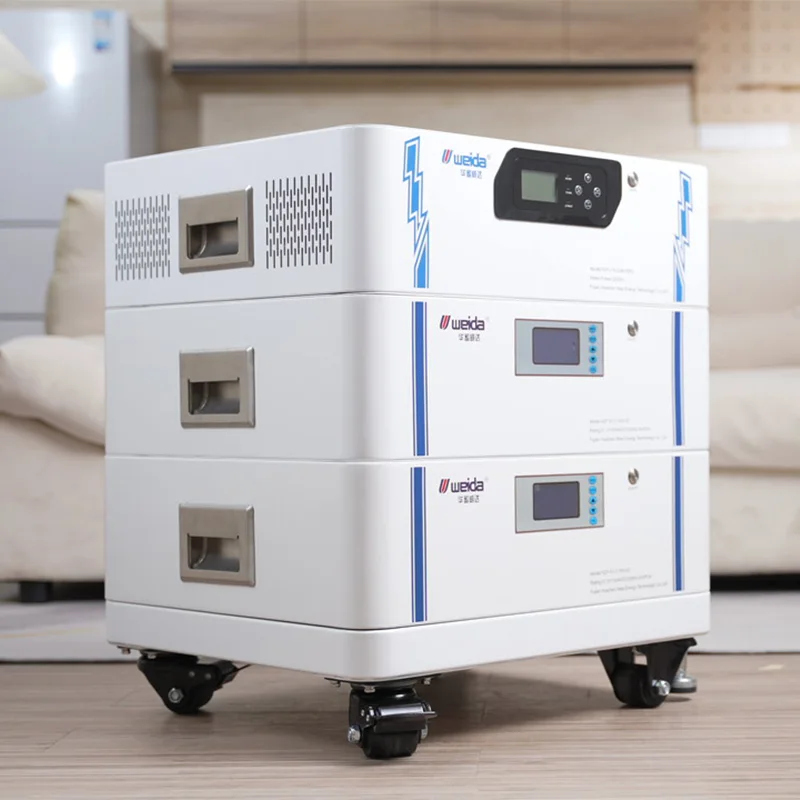
A modular stacked home-storage format built around verified 51.2 V, 100 Ah, 5.12 kWh battery modules.
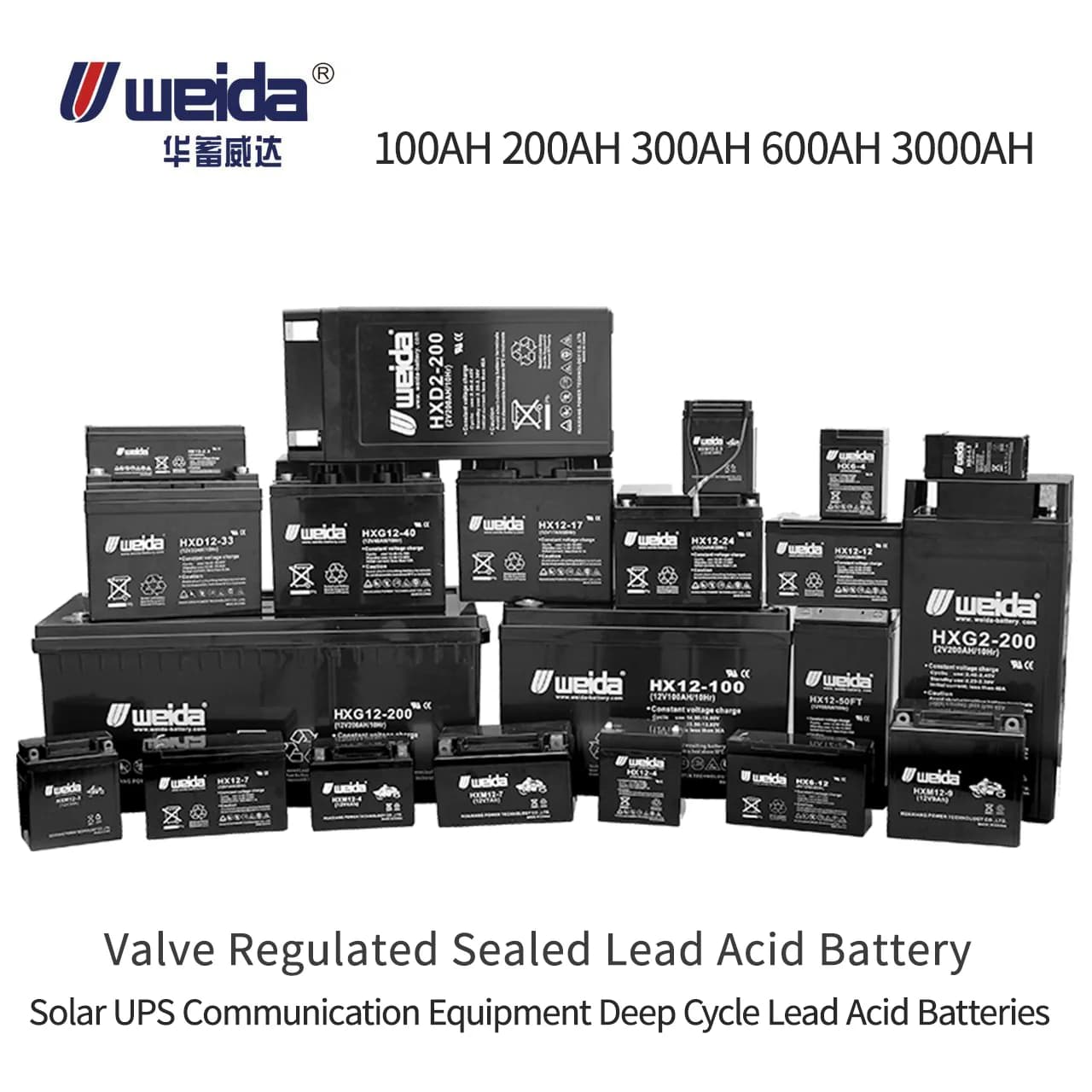
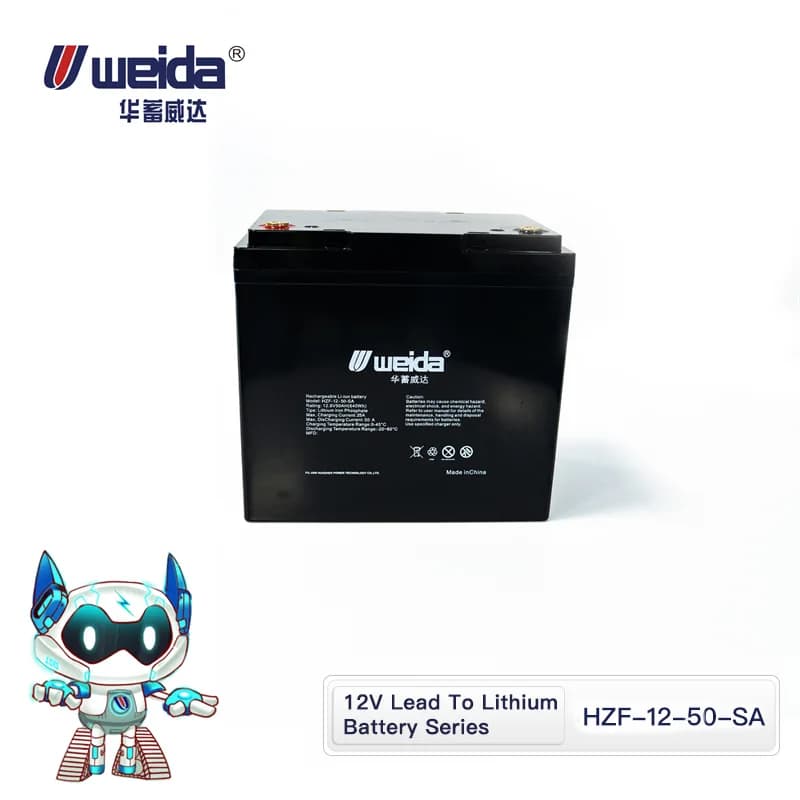
Six verified 12 V VRLA AGM models spanning 7 Ah to 250 Ah, with capacity-rate, mass, and conditional design float-life data.
Technical reading
A solar battery is worth evaluating when it supports a defined objective that can be modeled from interval loads, solar production, outage needs, export limits, tariffs, and operating constraints.
Read guide →Choose LiFePO4 or VRLA from the duty cycle, power, usable energy, charging, temperature, weight, space, maintenance, system integration, replacement plan, and total project cost—not a chemistry slogan.
Read guide →A useful BESS RFQ states the operating objective, site data, power, usable energy, duration, electrical interface, environment, safety requirements, scope split, documents, and acceptance criteria.
Read guide →Frequently asked questions
Send real load and site inputs. The application context will stay attached to the inquiry.