selection guide

Rack vs Stacked vs Wall-Mounted Home Batteries

Rack, stacked, and wall-mounted batteries mainly differ in mechanical format, expansion method, service access, footprint, cable routing, and integration. Energy needs and inverter compatibility remain the first filters.

Buyer note: use this guide to structure the first technical discussion. Final sizing, compatibility, document scope, and commercial terms are confirmed for the actual project.

Key takeaways

  • Installation format does not replace electrical compatibility checks.
  • Rack systems emphasize organized equipment and service access.
  • Stacked systems use defined modular increments and require a stable complete assembly.
  • Wall-mounted systems preserve floor space but require suitable structure and clearances.

Start with the requirements common to all three formats

Before comparing enclosures, confirm required usable energy, maximum power, inverter voltage, charge settings, communications, supported module count, indoor or outdoor location, and applicable installation rules.

  • Critical-load power, energy, surge, and autonomy
  • Inverter and communications compatibility
  • Charge and discharge limits and protection
  • Temperature, environment, clearances, and service plan

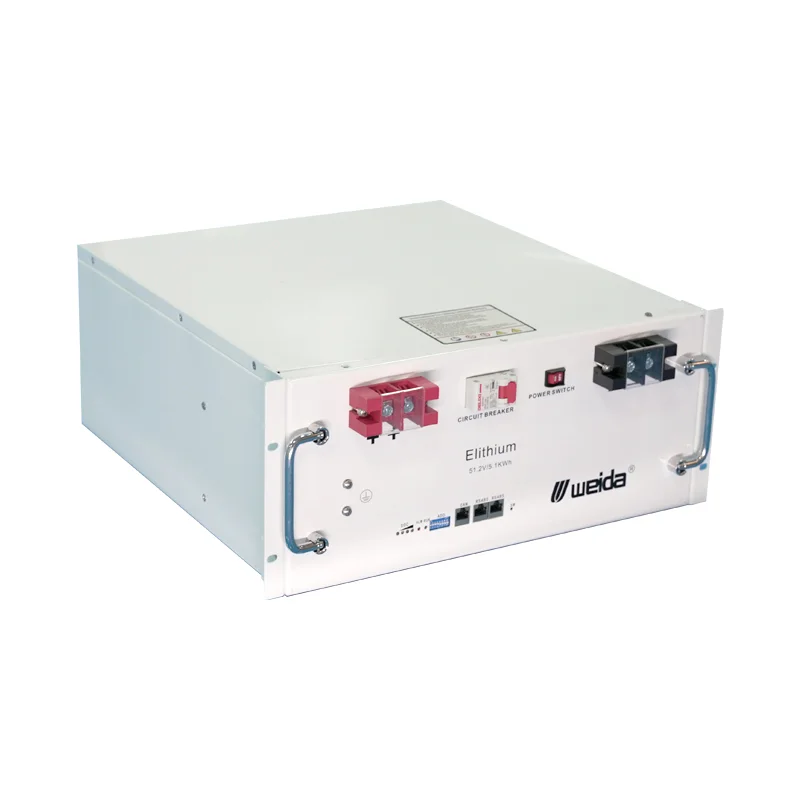
When rack-mounted batteries fit

Rack format can organize modules, protection, cables, and monitoring in a dedicated equipment area. Evaluate rack dimensions, loading, airflow, cable access, service clearances, and approved module arrangement.

  • Useful where a dedicated equipment room or cabinet is available
  • Can simplify module access and organized DC distribution
  • Requires rack, restraint, floor loading, and service-space planning

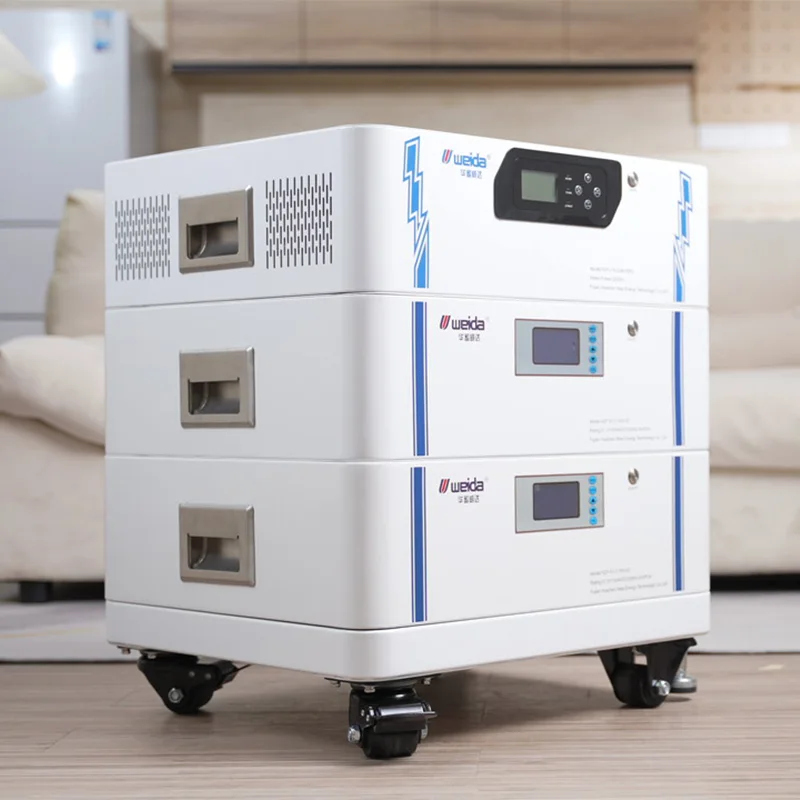
When stacked batteries fit

Stacked systems package modules into a floor-standing assembly. Confirm the allowed module count, complete-system voltage, base stability, floor loading, inter-module connection, clearances, and service procedure.

  • Capacity changes in defined module increments
  • Compact floor footprint when the complete stack fits the space
  • Mechanical stability and approved stack limits are essential

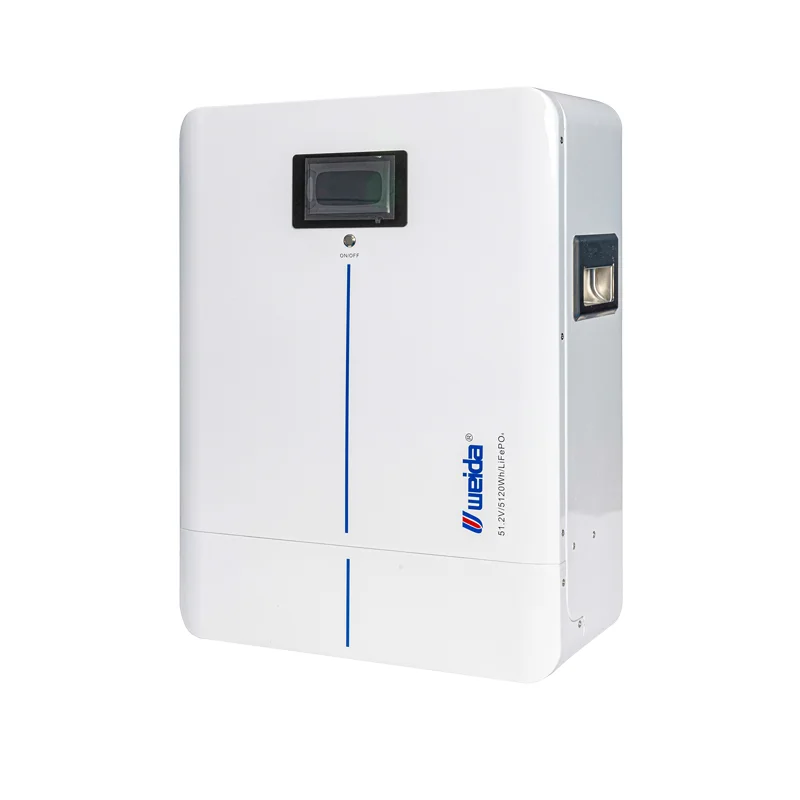
When wall-mounted batteries fit

Wall mounting can preserve floor space, but the selected wall, fasteners, installed mass, clearances, cable route, service access, and environmental rating must support the exact model.

  • Suitable where structural support and safe wall clearances are available
  • Can reduce floor-space use and simplify a clean residential layout
  • Requires structural, fastening, weight, access, and cable review
Related products

Compare relevant published records

51.2 V 100 Ah Rack-Mounted Energy Storage Module

51.2 V Rack Module

A rack-mounted 51.2 V, 100 Ah battery module with 5.12 kWh nominal energy for compatible solar and backup architectures.

Nominal voltage
51.2 V
Nominal capacity
100 Ah
Nominal energy
5.12 kWh
51.2 V 100 Ah Stacked Energy Storage Module

5.12 kWh Stacked Module

A modular stacked home-storage format built around verified 51.2 V, 100 Ah, 5.12 kWh battery modules.

Nominal voltage per module
51.2 V
Nominal capacity per module
100 Ah
Nominal energy per module
5.12 kWh
51.2 V Wall-Mounted Energy Storage Series

Wall-Mounted Home Battery

A 51.2 V wall-mounted battery series with verified nominal energy options of 5.12, 10.24, and 15.36 kWh.

Nominal voltage family
51.2 V
Nominal energy options
5.12 / 10.24 / 15.36 kWh
Installation format
Wall mounted

Related applications

Put the selection method into context

Frequently asked questions

What buyers ask before specifying a battery system

How do rack-mounted, stacked, and wall-mounted home batteries differ?
They primarily differ in installation format, expansion method, service access, footprint, and system integration. Select the format after checking space, inverter compatibility, required energy, cable routing, and local installation rules.
Can a home battery back up every household load?
Only if the inverter power, battery energy, surge requirement, wiring, and changeover design support those loads. Critical-load backup and whole-home backup are different designs and should be specified separately.
How is a battery sized for a solar project?
Sizing starts with interval load data, photovoltaic production, desired backup loads, outage duration, export limits, tariff periods, and the operating objective. Oversizing from monthly consumption alone can produce a poor technical and commercial result.
Can the battery system be customized?
Configuration review can cover voltage, capacity, enclosure, communications, thermal management, and system interfaces. Any customization is subject to engineering review and is confirmed in the final technical proposal, not assumed from a family page.

Use the guide to prepare a clearer RFQ

Share the actual project data and identify assumptions that still need engineering confirmation.