buyer guide

Should You Add Battery Storage to a Solar System?

A solar battery is worth evaluating when it supports a defined objective that can be modeled from interval loads, solar production, outage needs, export limits, tariffs, and operating constraints.

Buyer note: use this guide to structure the first technical discussion. Final sizing, compatibility, document scope, and commercial terms are confirmed for the actual project.

Key takeaways

  • Start with the objective, not the battery size.
  • Model when solar surplus occurs and when stored energy has value.
  • Backup power and solar self-consumption impose different sizing priorities.
  • Compare the full installed and operating system, not a battery-only price.

When battery storage has a clear job

A battery has a clear role when the project can identify energy that is available to store, a later load or constraint it should serve, and a control strategy that connects the two.

  • Capture otherwise curtailed or exported solar energy for later site use
  • Support defined critical loads during outages
  • Limit grid import or manage a measured demand profile
  • Coordinate off-grid solar, battery, generator, and load shedding

Data needed before making the decision

Use interval rather than monthly totals whenever possible. The decision depends on the timing of generation and load, the size and duration of peaks, the value or constraint at each period, and the system's recharge opportunity.

  • Interval load and photovoltaic production
  • Tariffs, export compensation, import or export limits
  • Outage frequency, duration, and critical-load list
  • Inverter, service, panel, and installation constraints

Check whole-system compatibility

The battery must work with the inverter, communications, operating voltage, charge and discharge limits, protection, transfer arrangement, metering, and control mode. Compatibility should be confirmed for exact models.

  • Approved battery and inverter combination
  • Normal, outage, islanded, and recovery behavior
  • Nominal and usable energy, power, surge, and recharge time
  • Installation location, structural support, clearances, and environment

Compare proposals with the same assumptions

Ask every supplier to state the same load, solar, operating window, reserve, losses, and service scope. Without common assumptions, capacity and price comparisons are misleading.

  • Modeled energy flows and backup load list
  • Usable energy and power at the proposed conditions
  • Included equipment, installation, commissioning, monitoring, and exclusions
  • Current model evidence, written warranty, and service responsibilities
Related products

Compare relevant published records

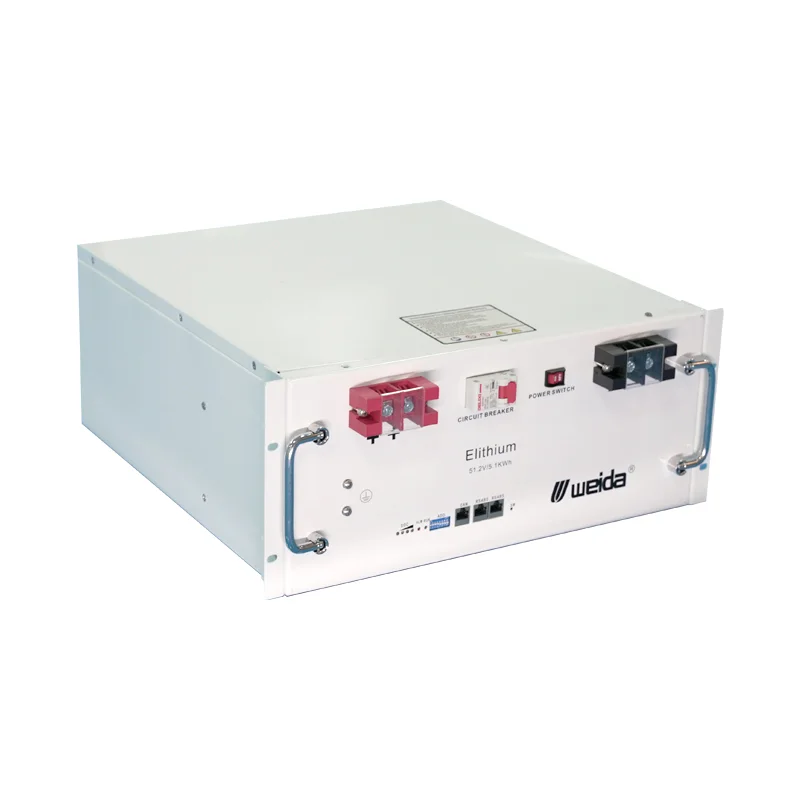
51.2 V 100 Ah Rack-Mounted Energy Storage Module

51.2 V Rack Module

A rack-mounted 51.2 V, 100 Ah battery module with 5.12 kWh nominal energy for compatible solar and backup architectures.

Nominal voltage
51.2 V
Nominal capacity
100 Ah
Nominal energy
5.12 kWh
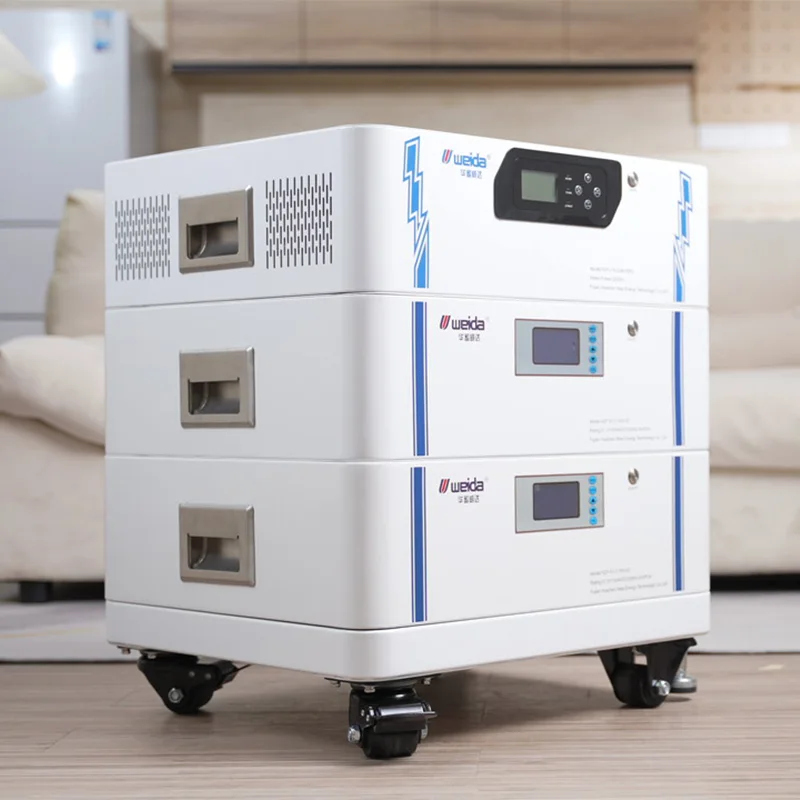
51.2 V 100 Ah Stacked Energy Storage Module

5.12 kWh Stacked Module

A modular stacked home-storage format built around verified 51.2 V, 100 Ah, 5.12 kWh battery modules.

Nominal voltage per module
51.2 V
Nominal capacity per module
100 Ah
Nominal energy per module
5.12 kWh
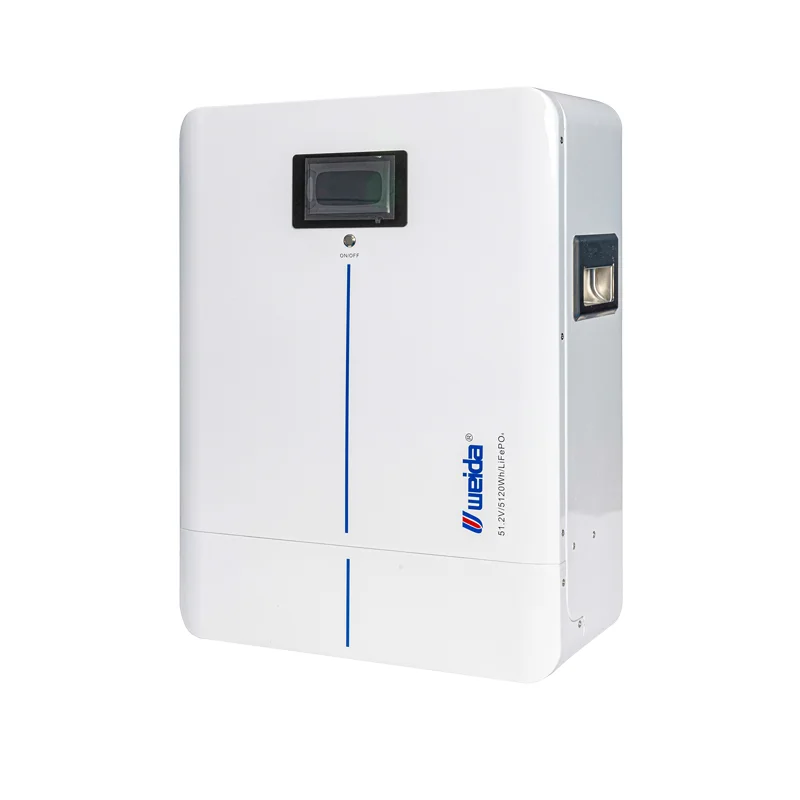
51.2 V Wall-Mounted Energy Storage Series

Wall-Mounted Home Battery

A 51.2 V wall-mounted battery series with verified nominal energy options of 5.12, 10.24, and 15.36 kWh.

Nominal voltage family
51.2 V
Nominal energy options
5.12 / 10.24 / 15.36 kWh
Installation format
Wall mounted

Related applications

Put the selection method into context

Frequently asked questions

What buyers ask before specifying a battery system

How is a battery sized for a solar project?
Sizing starts with interval load data, photovoltaic production, desired backup loads, outage duration, export limits, tariff periods, and the operating objective. Oversizing from monthly consumption alone can produce a poor technical and commercial result.
Can a home battery back up every household load?
Only if the inverter power, battery energy, surge requirement, wiring, and changeover design support those loads. Critical-load backup and whole-home backup are different designs and should be specified separately.
Is nameplate energy the same as usable energy?
Not necessarily. Usable energy depends on the permitted state-of-charge window, operating conditions, conversion losses, control strategy, and project limits. Ask for both nominal and usable values in the final proposal.
Why are prices not published on the product pages?
The listed products are project-configured B2B systems or battery series. Pricing depends on configuration, quantity, accessories, packaging, destination, and commercial terms, so the website does not publish placeholder or zero-value prices.

Use the guide to prepare a clearer RFQ

Share the actual project data and identify assumptions that still need engineering confirmation.