Key takeaways
- Cooling choice is not a universal quality ranking.
- Airflow paths and liquid circuits create different service and failure considerations.
- The thermal design should be evaluated at project operating conditions.
- Controls, alarms, access, and maintenance capability are part of the cooling decision.
How air-cooled battery systems manage heat
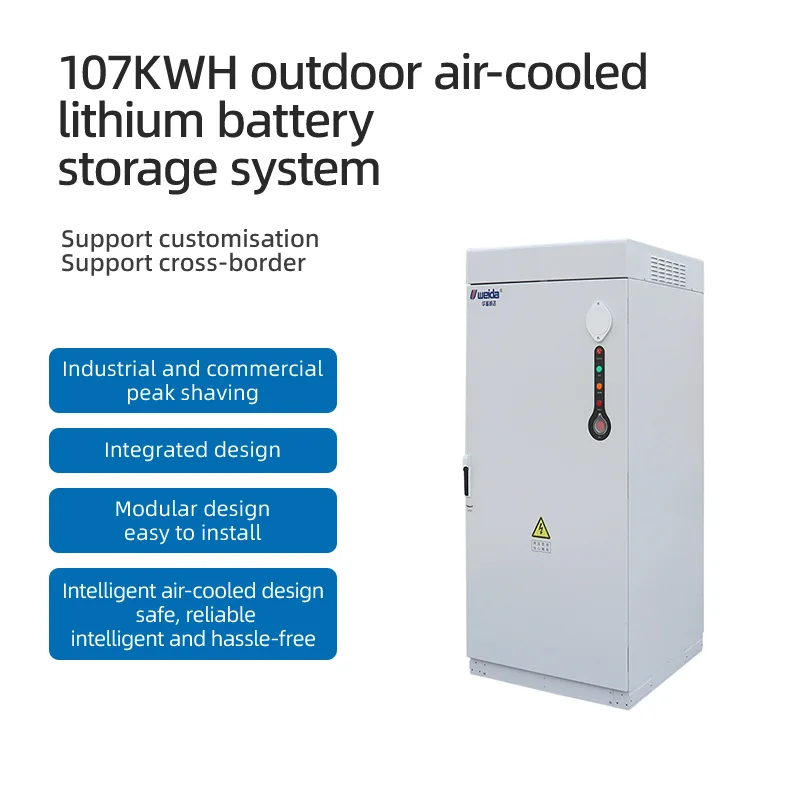
Air-cooled systems move conditioned or ambient air across internal components. Their suitability depends on heat density, airflow distribution, filters, duct paths, ambient limits, fan redundancy, noise, and service access.
- Review inlet and outlet paths and recirculation risk.
- Check dust, humidity, corrosion, filter, and fan maintenance requirements.
- Ask how cell and module temperature spread is monitored.
How liquid-cooled battery systems manage heat
Liquid-cooled systems transfer heat through cold plates or related circuits. Evaluate fluid type, pumps, manifolds, leak detection, isolation, controls, service procedures, and performance at the site's ambient and duty conditions.
- Confirm coolant circuit ownership and service interval.
- Review pump redundancy, leak detection, alarms, and safe shutdown logic.
- Check how the design limits temperature variation across the battery system.
Compare both architectures against one duty
A valid comparison holds the electrical duty and site conditions constant, then compares temperature control, auxiliary energy, acoustic impact, footprint, maintenance, failure modes, and lifecycle service scope.
- Rated and usable performance at maximum site ambient
- Parasitic demand during operation and standby
- Service tasks, intervals, tools, spares, and local capability
- Alarm, derating, shutdown, and recovery behavior
Questions to add to the RFQ
Request the thermal operating envelope and service plan with the electrical proposal. A cooling label without limits, controls, and maintenance details is not enough to evaluate project fit.
- What ambient and duty conditions define full power?
- What temperatures trigger alarm, derating, or shutdown?
- What auxiliary energy, noise, and maintenance are expected?
- Which thermal-system parts are included in warranty and service scope?