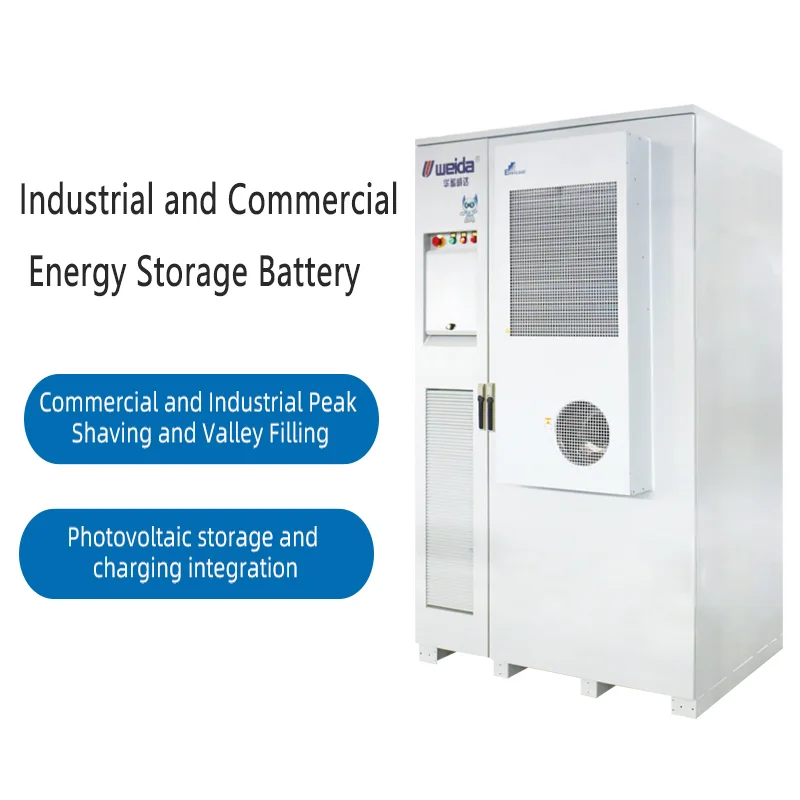
selection guide

How to Size a Commercial & Industrial Battery Energy Storage System

A defensible C&I BESS size comes from interval load data, a ranked operating objective, power constraints, required duration, and a model of usable—not just nameplate—energy.

Buyer note: use this guide to structure the first technical discussion. Final sizing, compatibility, document scope, and commercial terms are confirmed for the actual project.

Key takeaways

  • Power in kW and energy in kWh solve different parts of the operating problem.
  • Monthly bills cannot reveal the timing and duration of site peaks.
  • The operating strategy should be simulated before a cabinet or container is selected.
  • Balance-of-system, grid, thermal, fire, and service scope belong in the same proposal.

1. Define the operating objective first

A storage system should have a ranked job: peak management, photovoltaic self-use, backup, charging support, grid service, or a defined combination. The priority changes both the required power and duration.

  • Write one measurable success condition for each objective.
  • Identify conflicting objectives, such as preserving backup reserve while dispatching for tariff savings.
  • Define normal, outage, maintenance, and communication-failure modes.

2. Collect the data that exposes the real load

Use timestamped load, tariff, photovoltaic, production, outage, and interconnection data. At minimum, the analysis must show how high the load becomes, how long it stays high, and when surplus energy is available.

  • Interval site demand and energy
  • Tariff periods, demand rules, and export limits
  • Photovoltaic production or curtailment
  • Critical loads, motor starts, and production schedules
  • Transformer, service, and point-of-connection limits

3. Separate power from energy duration

The kW rating sets how much instantaneous demand the system can serve; usable kWh sets how long it can do so. A long-duration low-power profile can need a very different system from a short high-power peak.

  • Size discharge power against the coincident controlled load.
  • Size charge power against available grid or renewable surplus and recharge time.
  • Calculate duration with usable energy and conversion losses.
  • Test performance after applying project reserve and aging assumptions.

4. Compare complete configurations

Compare candidate systems on the same duty and responsibility scope. Nameplate price or capacity alone omits the PCS, EMS, switchgear, transformer, cooling, fire, commissioning, and site work that determine project fit.

  • Nominal and usable energy at the proposed operating window
  • Continuous and overload power at site conditions
  • Thermal architecture and environmental limits
  • Controls, metering, communications, and remote support
  • Included equipment, services, exclusions, and acceptance criteria
Related products

Compare relevant published records

100 kW / 215 kWh BESS Cabinet

100 kW / 215 kWh Cabinet

An outdoor LFP battery energy storage cabinet with a verified 100 kW power rating and 215 kWh nominal energy rating.

Rated power
100 kW
Nominal energy
215 kWh
Nominal DC voltage
768 V
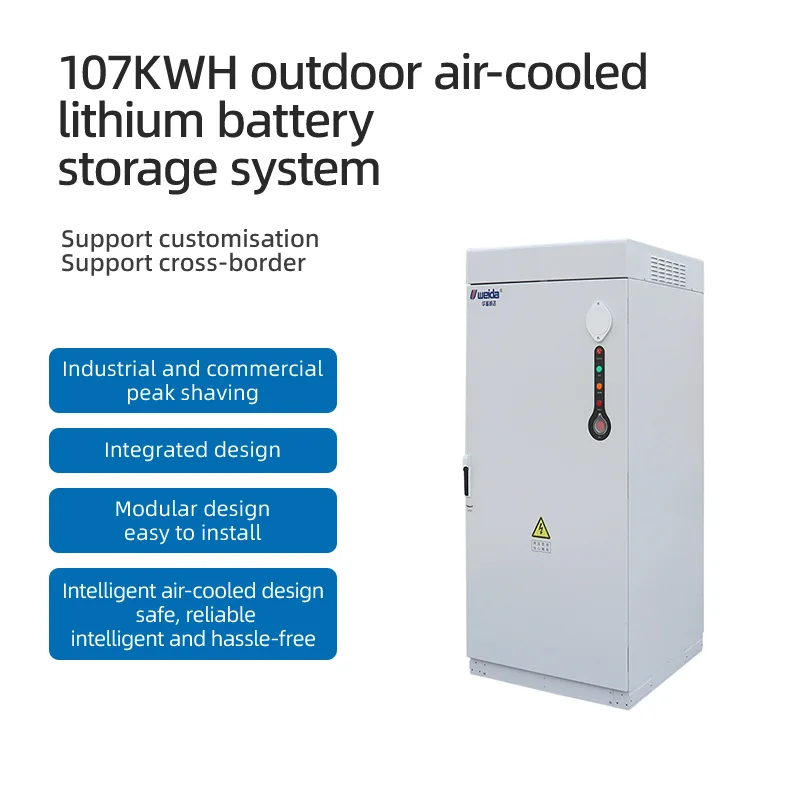
20 kW / 107.52 kWh Air-Cooled Energy Storage System

20 kW / 107.52 kWh ESS

An outdoor air-cooled lithium battery storage system with verified 20 kW power and 107.52 kWh nominal energy ratings.

Rated power
20 kW
Nominal energy
107.52 kWh
Nominal DC voltage
384 V
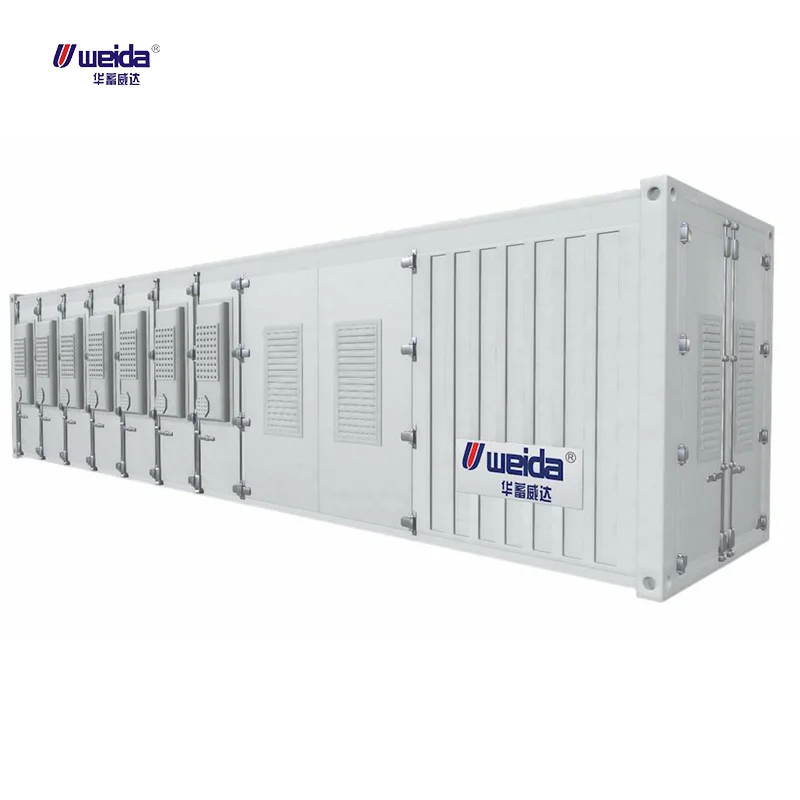
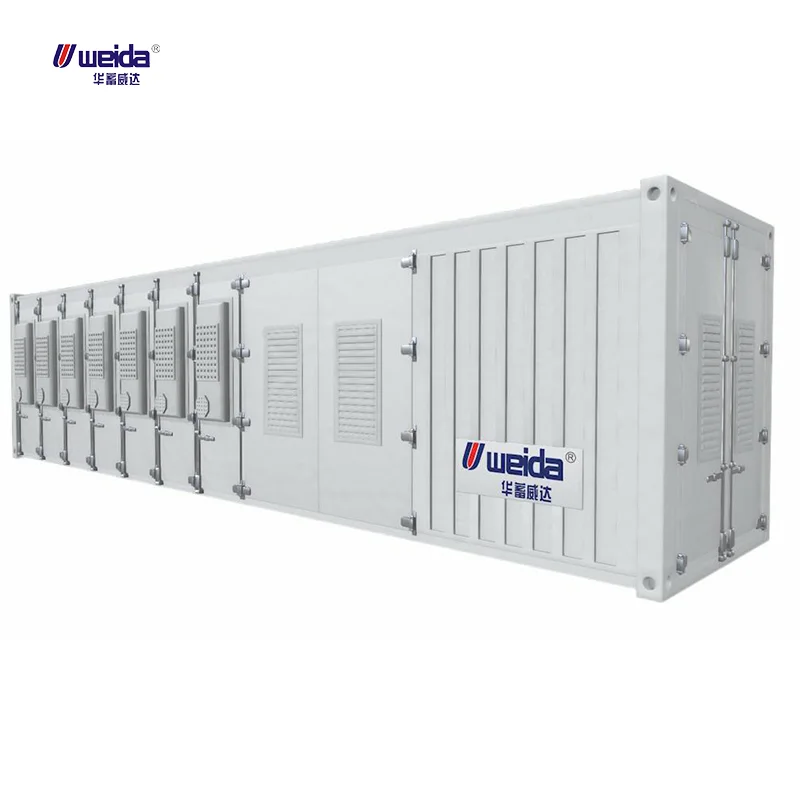
500 kW / 1075.2 kWh Containerized Energy Storage System

500 kW / 1075.2 kWh ESS

A verified 500 kW / 1075.2 kWh containerized system configuration with a stated two-hour duration and IP54 enclosure rating.

Rated power
500 kW
Nominal energy
1075.2 kWh
Stated duration
2 hours

Related applications

Put the selection method into context

Frequently asked questions

What buyers ask before specifying a battery system

What information is needed to size a battery energy storage system?
Provide the load profile, target power and energy duration, grid or generator constraints, installation environment, operating temperature range, and the functions the system must perform. A single capacity figure is not enough for responsible system selection.
Is nameplate energy the same as usable energy?
Not necessarily. Usable energy depends on the permitted state-of-charge window, operating conditions, conversion losses, control strategy, and project limits. Ask for both nominal and usable values in the final proposal.
Why are prices not published on the product pages?
The listed products are project-configured B2B systems or battery series. Pricing depends on configuration, quantity, accessories, packaging, destination, and commercial terms, so the website does not publish placeholder or zero-value prices.
What safety information should a BESS proposal include?
A project proposal should identify the cell chemistry, electrical protection, BMS architecture, thermal management, enclosure rating, fire strategy, emergency isolation, monitoring, installation limits, and the standards required by the destination project.

Use the guide to prepare a clearer RFQ

Share the actual project data and identify assumptions that still need engineering confirmation.